
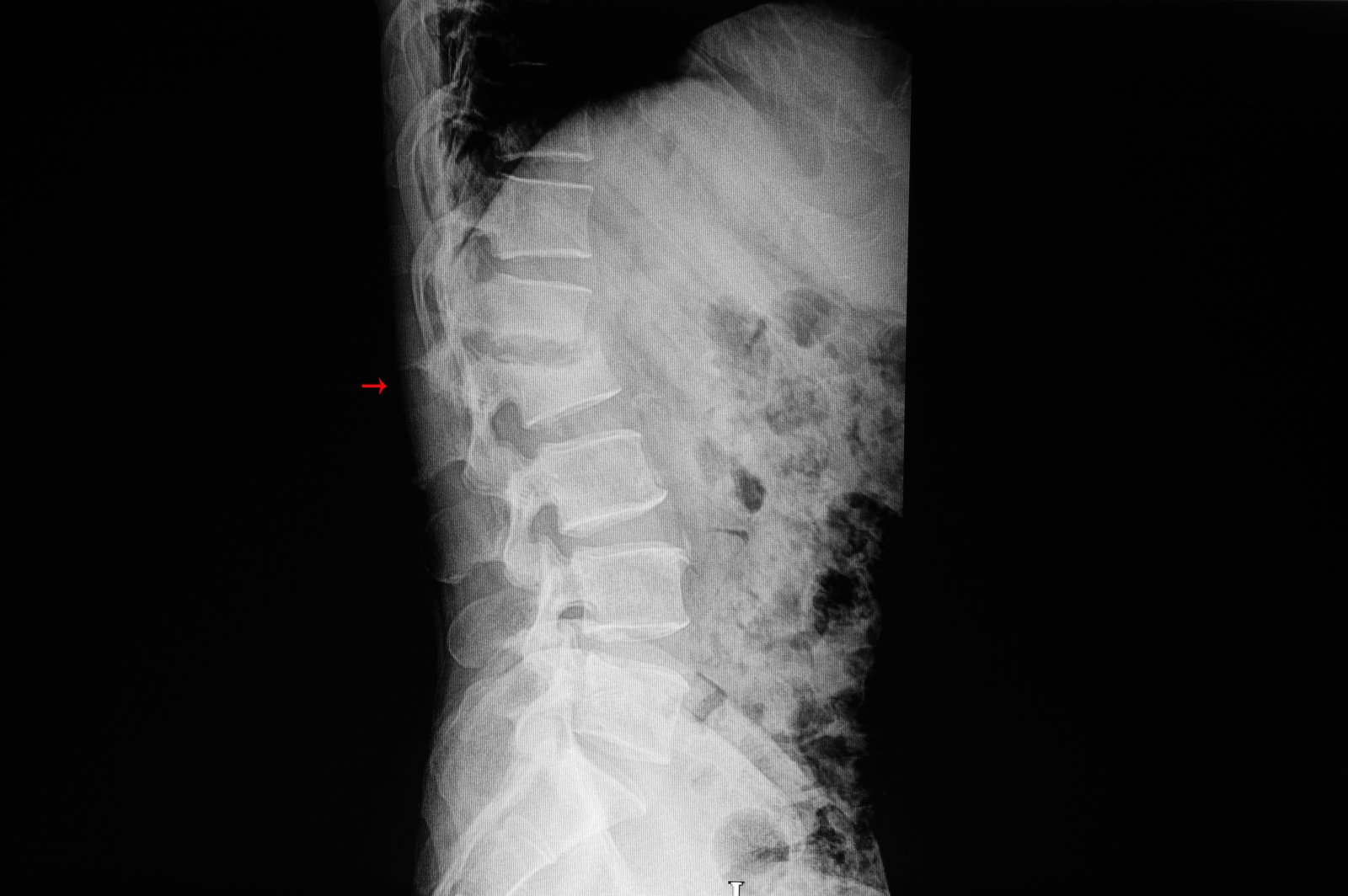
Dr. Charla Fischer, a board‑certified orthopedic spine surgeon in New York City, performs lumbar vertebral body replacement, also called a corpectomy, for severe fractures of the spine. Here is what the operation involves, when it is needed, and what recovery looks like.
What Is a Corpectomy?
A corpectomy removes the damaged vertebral body, the thick, oval-shaped front part of a vertebra, and replaces it with a support that the spine can fuse around. As Dr. Fischer describes on her osteoporotic fracture page, when the vertebral body is fractured, major spinal instability can follow, along with pinched spinal nerves. For this problem, she may remove the fractured part of the vertebra and put a small metal cage filled with growth-stimulating bone graft in its place. Over time, bone grows outside the cage and fuses with the spine.
When Is It Needed?
A corpectomy is used when the front column of the spine can no longer support the body, or when the vertebra itself is pressing on the nerves. Common reasons include:
- Severe fractures, including collapse from osteoporosis or injury.
- Tumors that have damaged a vertebra.
- Infection of the spine.
Corpectomy vs. Kyphoplasty
Many compression fractures can be treated with a much smaller procedure. Kyphoplasty and vertebroplasty stabilize the fracture with bone cement through a needle. A corpectomy is for fractures where the vertebral body is badly destroyed or the spine is unstable.
| Kyphoplasty / vertebroplasty | Corpectomy | |
|---|---|---|
| Approach | Through a needle | Open surgery |
| What’s done | Cement fills the fractured bone | The vertebral body is removed and replaced with a cage and bone graft |
| Used for | Painful compression fractures | Severe collapse, instability or nerve compression |
| Hospital stay | Usually walking about an hour afterward | Several days |
A study comparing the two for severely collapsed vertebrae found that a percutaneous augmentation procedure can be a valid alternative to corpectomy in selected patients, especially older and higher-risk patients, because it takes less time and involves less blood loss. The right choice depends on the fracture and on imaging of the spinal cord.
What Happens During Surgery
The damaged vertebral body and the discs next to it are removed and replaced with a cage or bone graft. Screws, plates or rods are often added to stabilize the spine, sometimes through a second approach from the back. Depending on how many levels are involved, the operation can take about three to four hours.
Recovery
| Timeframe | What’s typical |
|---|---|
| Hospital | About 4–7 days; longer if a posterior fusion is also done |
| First 2–4 weeks | No bending at the waist, lifting more than 5 pounds, or twisting |
| 4–6 weeks | Bending, lifting and twisting gradually allowed as pain eases |
| About 6 weeks | Light duties |
| 3–4 months | Moderate work and light sports |
Results and Risks
More than 70% of patients have good or excellent results. Because people who need a corpectomy often have a severe spinal condition, the risks are higher than for many other spine operations. Dr. Fischer reviews the risks and the alternatives with each patient before surgery.
How to Get Help
If you have a spinal fracture that isn’t healing, or you’ve been told a vertebra has collapsed, a spine specialist can tell you whether kyphoplasty, a corpectomy or another treatment fits your situation. Dr. Fischer sees patients at NYU Langone Center for Musculoskeletal Care, 333 East 38th Street, 6th Floor (646-501-7200), and NYU Langone Madison Orthopedic Surgery Associates, 145 East 32nd Street, 4th Floor (212-427-3986). Contact Dr. Fischer to schedule a consultation.
Sources: USC Spine Center, Anterior Lumbar Corpectomy and Fusion; Vanni D, et al. Corpectomy and expandable cage replacement versus third generation percutaneous augmentation system in case of vertebra plana. J Spine Surg. 2017; Cleveland Clinic, Laminectomy (warning signs after lumbar surgery); Dr. Fischer’s osteoporotic fracture page.
Frequently Asked Questions
What is a vertebral body replacement?
It is surgery that removes the fractured or damaged vertebral body, the thick front part of a vertebra, and replaces it with a small metal cage filled with bone graft. Over time, bone grows around the cage and fuses with the spine.
Is a corpectomy a major surgery?
Yes. It is open surgery that can take about three to four hours, with a hospital stay of about four to seven days, longer if a fusion from the back is also done. The risks are higher than for many other spine operations because patients often have a severe spinal condition.
When is a corpectomy needed instead of kyphoplasty?
Kyphoplasty treats many painful compression fractures through a needle. A corpectomy is used when the vertebral body is badly destroyed, the spine is unstable, or the bone is pressing on the nerves.
How long is recovery after a lumbar corpectomy?
Bending, lifting more than five pounds and twisting are avoided for the first two to four weeks. Light duties usually resume at about six weeks, and moderate work and light sports at three to four months.
What are the results of corpectomy?
More than 70% of patients have good or excellent results. Your surgeon will review the expected results and risks for your situation before surgery.