
Dr. Charla Fischer, a board‑certified spine surgeon in New York City, diagnoses and treats herniated discs using patient‑focused care and advanced techniques.
What Is a Herniated Disc?
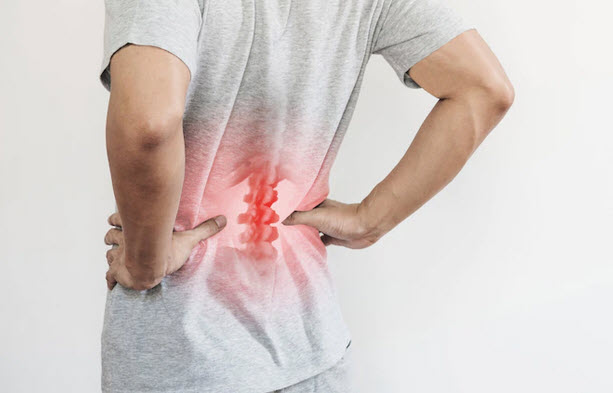
Intervertebral discs act as cushions between the bones (vertebrae) of your spine. Each disc has a tough outer ring and a soft, jelly‑like center. When the outer ring tears or weakens, the center material can protrude and press on spinal nerves, resulting in symptoms like pain, tingling, or weakness. This is known as a herniated disc.
Causes & Risk Factors
A herniated disc can develop due to natural wear and tear over time or from sudden trauma such as lifting heavy objects incorrectly or a fall. Age‑related degeneration (as part of degenerative disc disease) makes discs more prone to herniation. Other contributing factors include excessive weight, smoking, and genetic tendencies for weakened discs.
Symptoms to Watch For
- Pain at the site of the herniation (back or neck)
- Pain that radiates down arms or legs
- Numbness or tingling in extremities
- Weakness in muscles controlled by the affected nerve
In lower back herniations, pain often radiates down the leg — a condition known as sciatica. For neck (cervical) herniations, pain can extend into the shoulders and arms.
Diagnosis & Evaluation
Diagnosing a herniated disc involves a medical history, physical exam, and imaging such as X‑rays or MRI. These tests help determine the exact location and severity of the herniation and whether surrounding nerves or spinal cord are affected.
Treatment Pathways
Most people respond well to conservative treatments. These include physical therapy, activity modification, and pain management. In many cases, symptoms improve significantly within weeks.
In cases where pain persists or nerve compression leads to significant weakness or disability, advanced treatments may be recommended. These may include guided injections or procedures like minimally invasive microdiscectomy to remove the problematic disc material.
Related Spine Conditions & Resources
Learn more about related topics and how they interact with herniated discs:
- Can a Herniated Disc Heal Without Treatment?
- What Cervical Spondylosis Means for Your Neck
- Spondylolisthesis Explained
- Are You a Candidate for Robotic Spine Surgery?
Schedule Your Consultation
If you’re experiencing back or neck pain, numbness, or weakness that may be related to a herniated disc, contact Dr. Fischer for a personalized evaluation.
Call: (646) 501‑7200
Location: 333 East 38th Street, 6th Floor, New York, NY 10016