
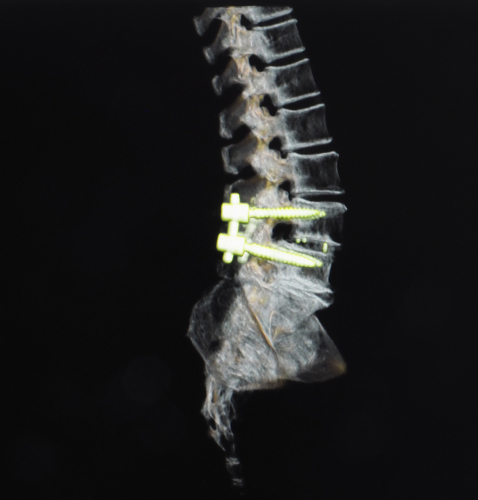
Dr. Charla Fischer, a board‑certified orthopedic spine surgeon based in New York City, performs TLIF and other advanced spinal fusion surgeries using minimally invasive techniques tailored to each patient’s condition.
What Is TLIF Surgery?
Transforaminal Lumbar Interbody Fusion (TLIF) is a type of spinal fusion surgery that stabilizes the lower back by joining two vertebrae together. In this procedure, the surgeon approaches the spine through the back (posterior), removes the damaged disc, and places a bone graft or spacer between the vertebrae to promote fusion. This eliminates abnormal motion between the two levels and reduces pressure on spinal nerves.
Who Might Need TLIF?
TLIF is generally considered when conservative care such as physical therapy, medications, injections, or bracing hasn’t relieved symptoms, and the underlying issue involves spinal instability or nerve compression. Some common conditions that may lead to a TLIF recommendation include:
- Degenerative disc disease
- Spondylolisthesis (vertebra slipping forward)
- Recurrent or severe herniated discs
- Spinal stenosis (narrowing of the spinal canal)
These conditions can cause chronic lower back pain, leg pain (sciatica), numbness, or weakness by irritating spinal nerves or causing instability.
What Happens During TLIF Surgery?
TLIF involves several key steps:
- A posterior incision is made in the lower back.
- The damaged disc material is removed between the affected vertebrae.
- A bone graft or interbody spacer is placed between the vertebrae to promote fusion.
- Metal screws and rods stabilize the spinal segment while the bones fuse over time.
In many cases, TLIF can be performed using minimally invasive techniques to reduce muscular disruption and speed recovery.
Benefits of Minimally Invasive TLIF
When TLIF is done through minimally invasive techniques, patients often experience:
- Smaller incisions and reduced scarring
- Less soft tissue trauma
- Reduced blood loss
- Shorter hospital stays
- Faster return to everyday activities
These advantages stem from accessing the spine through a narrow corridor using specialized instruments and imaging guidance.
Recovery After TLIF
After TLIF, patients may stay in the hospital for a day or more depending on their condition and overall health. Physical therapy is often recommended as part of rehabilitation to strengthen supporting muscles and improve function. Most people see gradual improvement in pain and mobility over weeks to months as the fusion solidifies.
Related Spine Topics
Learn more about related procedures and conditions:
- Minimally Invasive Spine Surgery Explained
- Spondylolisthesis Explained
- What Is a Herniated Disc?
- Can Sciatica Resolve Without Treatment?
Schedule a Consultation
If you’re experiencing persistent lower back pain, leg pain, or symptoms of spinal instability, contact Dr. Fischer for a personalized evaluation and treatment plan.
Call: (646) 501‑7200
Location: 333 East 38th Street, 6th Floor, New York, NY 10016