
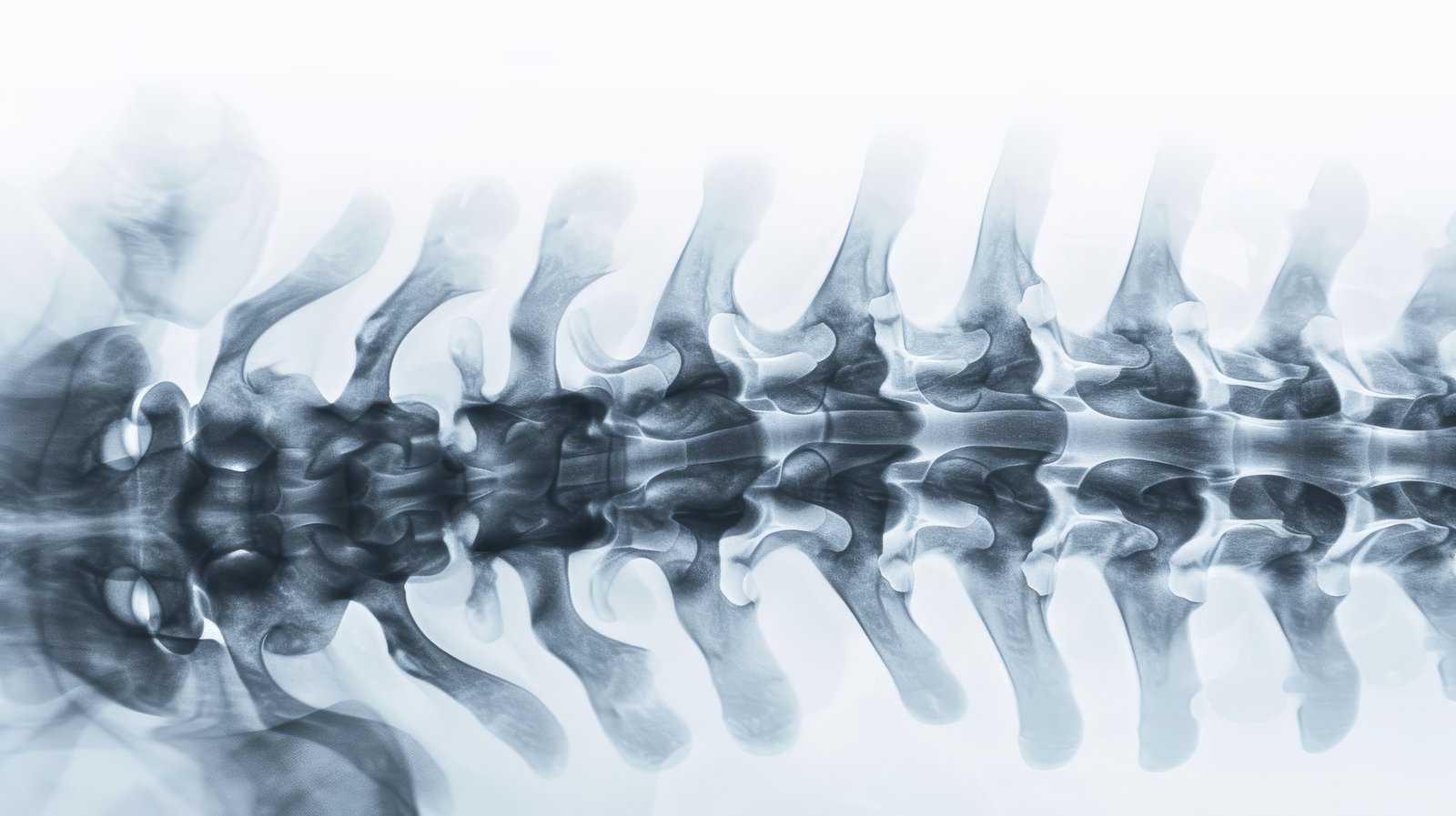
Dr. Charla Fischer, a board‑certified orthopedic spine surgeon in New York City whose practice focuses on the cervical spine, performs posterior cervical laminectomy and fusion. Here is what the operation involves, who it helps, and what to expect during recovery.
What Is Posterior Cervical Laminectomy and Fusion?
It is an operation done from the back of the neck that relieves pressure on the spinal cord and nerves, then stabilizes the spine. As Dr. Fischer’s posterior cervical laminectomy and fusion page explains, the lamina (the back part of the spine) is removed in part or completely, along with the overgrown soft tissue compressing the nerves. Because removing this bone can weaken the structure of the spine, a fusion is then done with screws and rods to strengthen the spine and decrease pain.
Who Is It For?
This operation is one of the options Dr. Fischer lists for cervical myelopathy, spinal cord compression in the neck. It is typically considered for significant pain, numbness or weakness in the hands or arms that hasn’t improved with physical therapy or medication, when imaging confirms narrowing of the spinal canal. If you’re unsure whether your symptoms involve the spinal cord, Dr. Fischer’s post on the signs of cervical myelopathy explains what to look for.
Why Add a Fusion?
Removing the lamina on its own can allow the neck to gradually lose its natural curve over time. Adding instrumented fusion combines the decompression with stability. Other options for spinal cord compression in the neck include cervical laminoplasty, which reshapes the lamina instead of removing it, and ACDF, which is done from the front of the neck. The best choice depends on where the compression is, how many levels are involved and the alignment of the neck.
What Happens During Surgery
- Position: you lie face down with your chest supported.
- Decompression: through an incision at the back of the neck, one or more laminae and ligaments are removed to open the spinal canal, and the nerve passages can be enlarged.
- Fusion: titanium screws are placed on the left and right sides of each vertebra and connected to rods, and bone graft is placed so the vertebrae can grow together.
- Time: surgery usually takes one to three hours.
Lateral mass screws are the most commonly used way to secure the back of the cervical spine, and complications related to them are considered exceedingly rare.
Recovery
| Timeframe | What’s typical |
|---|---|
| Hospital | Overnight, going home in 1–2 days |
| First weeks | Cervical collar while healing; lift no more than 5 pounds for 2 weeks; no driving until your post-op visit |
| 2–4 weeks | Most return to desk work |
| 4–6 weeks | Light-duty work |
| 3–6 months | Fusion healing continues; full-duty work |
Physical therapy is usually prescribed once healing allows. Dr. Fischer’s after surgery page covers what to plan for at home.
Risks
Recognized risks include C5 nerve palsy (temporary weakness of the shoulder or biceps muscles), infection, the vertebrae failing to fuse, hardware breakage, nerve damage and persistent pain. Dr. Fischer reviews the risks and the alternatives with each patient before surgery.
How to Get Help
If you’ve been told you have spinal cord compression in your neck, a consultation can explain whether a laminectomy and fusion, laminoplasty or ACDF fits your situation. Dr. Fischer sees patients at NYU Langone Center for Musculoskeletal Care, 333 East 38th Street, 6th Floor (646-501-7200), and NYU Langone Madison Orthopedic Surgery Associates, 145 East 32nd Street, 4th Floor (212-427-3986). Contact Dr. Fischer to schedule a consultation.
Sources: Mayfield Brain & Spine, Posterior Cervical Laminectomy and Fusion (updated Sept 2022); Mikhail CM, Dowdell JE, Hecht AC. Posterior Fusion for the Subaxial Cervical Spine. HSS Journal. 2019; NIH StatPearls, Cervical Myelopathy; Dr. Fischer’s posterior cervical laminectomy and fusion page.
Frequently Asked Questions
Why is a fusion added to a cervical laminectomy?
Removing the lamina can weaken the structure of the spine, and a laminectomy on its own can allow the neck to gradually lose its natural curve. Adding a fusion with screws and rods combines the decompression with stability.
How long is the hospital stay after posterior cervical fusion?
Patients who have a fusion usually stay in the hospital overnight and go home in one to two days.
When can I go back to work after posterior cervical fusion?
Most patients return to desk work in two to four weeks, light-duty work in four to six weeks, and full-duty work in three to six months. Your surgeon will guide you based on your job and healing.
Will I need a neck collar?
A cervical collar is typically worn while the spine heals. Your surgeon will tell you how long to wear it.
What is C5 palsy?
C5 palsy is a recognized complication of posterior cervical surgery that causes temporary weakness of the shoulder or biceps muscles. Your surgeon will review it, along with the other risks, before surgery.